
Grocery prices continue to strain household budgets, making every dollar spent at the checkout more important than ever. As food costs rise, many shoppers have shifted away from traditional coupon clipping and started using digital tools that simplify the search for savings.
Instead of manually comparing weekly ads or collecting paper coupons, apps and browser extensions now help identify lower prices, apply available discounts, and even offer surplus food from local businesses at reduced prices.
Suzi Owens does not consider herself a dedicated coupon user, but she regularly turns to digital savings tools because of increasing grocery costs.
"Whenever I don't feel like cooking or we're trying to cut our budget, which we are — everybody is these days because groceries are insanely expensive — we can buy one lunchbox and get two dinners out of it," Owens said.
One app she frequently uses is Too Good To Go, which partners with local businesses to sell surplus food at discounted prices instead of letting it go to waste. A recent deal on the platform offered a dozen bagels from New York Bagel House for just $6.
CartHappy Makes Price Comparison Easier
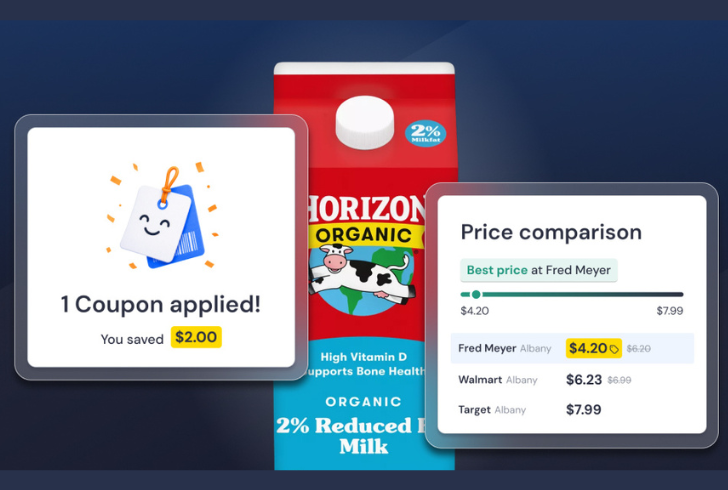
Instagram | getcarthappy | CartHappy saves you time by automatically comparing grocery prices across major retailers.
Comparing grocery prices between stores has traditionally required time and careful planning. CartHappy was developed to simplify that process by automatically checking prices across several major retailers.
John Laramie, the creator of CartHappy, explained the purpose behind the tool.
"Let's take all of these things off your plate and make it really simple for you to grocery shop and feel confident (you're) getting the best price."
The Chrome extension compares prices at nearby Walmart, Costco, and Target locations after users enter their ZIP code. According to Laramie, Aldi stores are also expected to be added shortly.
The extension does more than compare prices. It can automatically apply available coupons and organize the least expensive shopping cart based on the selected products. As Laramie explained:
"It's these little things that you're just like, technology can lift that. Technology can remove the repetitive thinking of rebuilding your grocery list now."
Grocery Prices Can Change Quickly
Price changes happen far more often than many shoppers realize. CartHappy's tracking data found that prices at Walmart, Target, and Costco stores in Tulsa changed more than 100,000 times within a two-week period.
One example showed a Costco vegetable tray with ranch increasing by 33% in a single day before dropping by 55% on another day. Frequent price shifts like these make it difficult for shoppers to know whether they are actually getting the best deal.
Although CartHappy mainly supports online shopping, shoppers can also use it before visiting stores to identify the lowest-priced options. One limitation remains that discounted products found through apps are sometimes sold out before customers arrive at the store.
Too Good To Go Helps Reduce Food Waste
Another growing option for budget-conscious shoppers is Too Good To Go, which focuses on selling unsold food from participating restaurants, bakeries, and grocery stores.
Tabitha DaMetz, a Tulsa teacher, has used the app regularly for the past year.
"Sounds like dinner, and we don't have to cook."
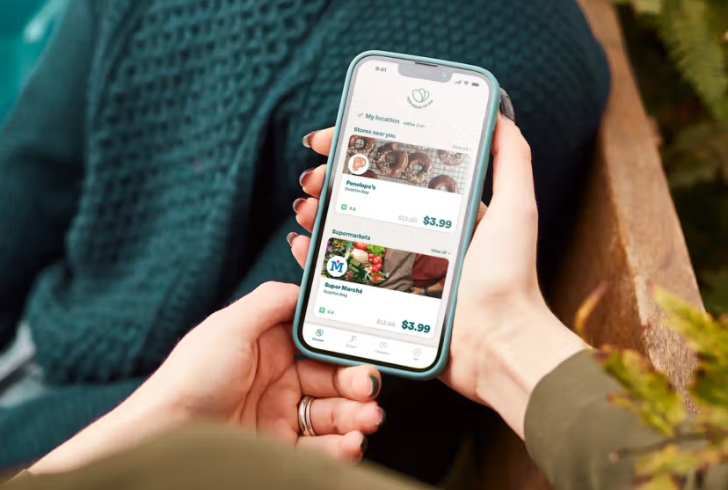
Instagram toogoodtogo.usa | Too Good To Go helps budget shoppers save money on unsold food from local restaurants and groceries.
Users receive notifications whenever nearby businesses have extra food available. Through the app, DaMetz purchased a dozen bagels for $6 and four cups of soup for $7.
The selection depends on the number of participating businesses in each community. Both DaMetz and Owens noted that available options in Tulsa have expanded since they first started using the app. Even so, they hope more restaurants and grocery stores will eventually join the program.
Speed also matters. According to Owens, many offers disappear within a minute of becoming available. Bakery items are generally easier to secure, while popular restaurant meals and Whole Foods offers often sell out almost immediately.
One purchase allowed Owens to buy approximately $80 worth of charcuterie from Whole Foods for about $20.
"We saved a substantial amount of money, and everything was still good," Owens said.
Digital shopping platforms attract consumers for two main reasons. They lower grocery costs and reduce food waste. Price comparison tools quickly find the best deals, so shoppers no longer need to compare multiple stores manually. At the same time, surplus food apps offer fresh meals and grocery items at discounted prices.
As grocery prices continue to change, these tools provide a simple way to save money. They also reduce the need for traditional coupon clipping or time-consuming deal hunting.