
Heart health often brings to mind strict diets, intense workouts, and major lifestyle changes. Yet new research suggests one of the most effective habits may begin at night. A regular bedtime, even more than wake-up time, appears to play a meaningful role in long-term cardiovascular wellness.
Researchers from the University of Oulu in Finland found that people who go to bed at roughly the same time each night may significantly reduce their risk of future heart problems. While sleep length still matters, this study shifts attention toward sleep timing consistency, which many people can improve without dramatic effort.
To explore the connection, researchers tracked the sleep behavior of more than 3,200 adults aged 26 using wearable sleep devices over seven days. Next, they divided participants into three groups: regular, fairly regular, and irregular sleepers.
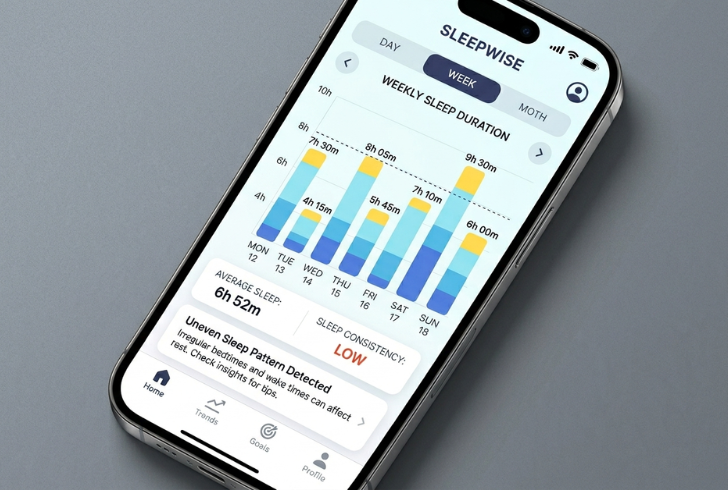
Gemini AI | New data reveals that sleep timing consistency is just as vital for your heart as total hours slept.
The biggest difference came from bedtime variation. Those in the irregular group changed bedtime by an average of 108 minutes during the week. Meanwhile, the regular group showed only 33 minutes of change. Over the following 10 years, the irregular sleepers showed nearly double the risk of a major cardiac event compared with the most consistent sleepers.
Laura Nauha, one of the lead medical researchers, explained that bedtime consistency may reflect the rhythm of everyday life and how much those patterns shift from day to day.
Why Bedtime Impacts the Heart
The body runs on circadian rhythms, which guide sleep, hormone release, metabolism, and heart recovery cycles. When bedtime constantly shifts, that internal timing system struggles to stay aligned.
As a result, the heart may not receive the same predictable recovery window each night. Over time, that disruption may increase strain on cardiovascular function.
Also, irregular bedtimes often connect with real-life pressures such as heavy workloads, parenting responsibilities, chronic stress, and anxiety or other mental health concerns.
Because these issues also affect blood pressure and inflammation, the sleep-heart connection becomes even stronger.
Sleep Duration Still Plays a Role
The findings came with one important detail. The increased heart risk mainly appeared in people who slept less than eight hours per night.
On the other hand, those who consistently reached eight or more hours seemed less affected by bedtime shifts. So while routine matters, total sleep still remains part of the bigger picture.
Interestingly, researchers found that changes in wake-up times had far less effect on long-term heart outcomes. That makes bedtime the more influential habit when it comes to protecting cardiovascular health.
A Small Habit With Long-Term Benefits

Freepik | Routine bedtimes transform minor nightly habits into major improvements for your heart and body.
Although the initial sleep tracking lasted only one week, researchers followed heart health outcomes for 10 years. During that period, 128 participants experienced a serious cardiac event.
Of course, routines can change over a decade. Still, the data offers a strong signal that bedtime regularity deserves more attention in preventive health conversations.
Since cardiovascular disease remains the leading global cause of death, practical habits that reduce risk matter. A fixed bedtime stands out because it feels realistic, sustainable, and easy to build into daily life.
A steady bedtime may seem simple, yet this research shows it can support heart recovery, lower circadian stress, and improve long-term wellness.
Even small nightly improvements can create meaningful health gains over time. So when bedtime stays consistent, the body rests better, the heart recovers more efficiently, and overall health moves in the right direction.
That makes this one of the easiest heart-friendly habits to start tonight.