
Wellness has evolved far beyond simply living without illness. The World Health Organization defines it as achieving physical, mental, spiritual, and social balance. This concept originates from ancient Greece, where Hippocrates’ On Regimen emphasized the harmony between the mind and body. Modern wellness emerged centuries later, when scientists began to link longevity to lifestyle, genetics, and cellular health.
Jonas Salk’s Survival of the Wisest (1973) introduced the revolutionary concept of “optimum health.” He described two stages of human health: first, the pursuit of disease prevention, and second, the advancement toward peak well-being.
This idea reshaped global views on self-care, inspiring authors and researchers to uncover the biological roots of aging and vitality.
How Modern Science Unlocked the Aging Code
By the 1980s, wellness experts began connecting cellular function to longevity. Durk Pearson and Sandy Shaw’s "Life Extension" argued that aging could be slowed through the use of antioxidants and lifestyle adjustments. The authors introduced the idea that free radicals, unstable molecules missing electrons, cause oxidative stress, which damages cells and accelerates aging.
Antioxidants, found in foods like berries and green tea, stabilize these molecules by donating electrons. Over time, this discovery evolved into a more sophisticated understanding of how genetic expression affects aging at the deepest cellular level.
Biological vs. Calendar Age
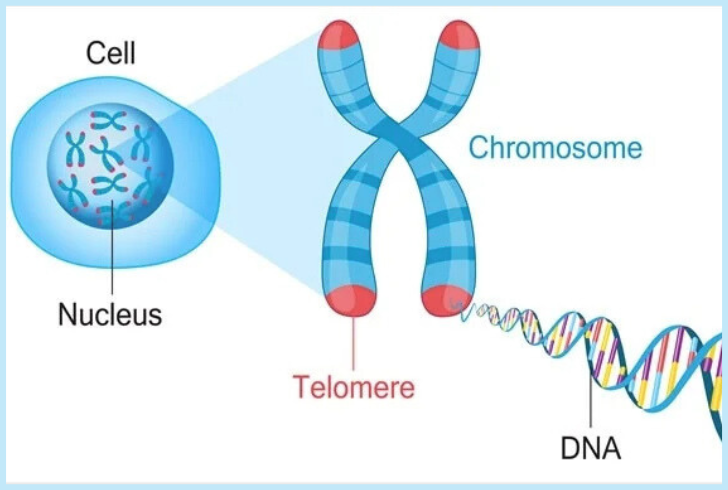
news-medical.net | Biological age shows internal body function, measured by telomere length and DNA methylation.
Every person has two distinct ages: calendar and biological. While calendar age is unchangeable, biological age reveals how efficiently the body functions internally. Scientists measure this through telomere length and DNA methylation, both essential markers of cellular health.
Telomeres are the tiny protective caps sitting at the ends of your chromosomes, and they naturally shorten each time a cell divides. When they wear down too much, the DNA they guard becomes more vulnerable, increasing the likelihood of cell damage and age-related disease. DNA methylation works differently—it places small chemical tags on DNA to help regulate how genes behave. As this system weakens, inflammation rises, and the body's repair work slows—one of the clearest signs of aging.
The encouraging shift in modern research is the idea that these changes can be influenced. Aging is no longer seen as entirely out of our hands.
The Science Behind Slowing Aging
For decades, aging was seen as an unavoidable decline. But genetic research, including studies from the National Institutes of Health, has upended that assumption. Telomere length and DNA methylation are now understood to be among the strongest markers of lifespan. Shorter telomeres have been tied to increased risks of heart disease, cognitive disorders, and other chronic illnesses.
Long-term studies also show that individuals with naturally longer telomeres may outlive others by 20–30 percent, equivalent to almost eight more years of life. These findings have made telomeres and methylation key markers in modern longevity research.
What Causes Telomere Damage
Lifestyle choices directly influence telomere stability. Several habits are known to accelerate shortening and stress the body’s repair systems:
- Smoking
- Heavy alcohol use
- Poor or irregular sleep
- Chronic, unrelenting stress
- Each of these drives inflammation and oxidative damage, weakening the body’s ability to maintain healthy telomeres over time.
How to Strengthen Telomeres Naturally

Freepik | alexeyzhilkin | Spending time in nature helps balance stress hormones linked to telomere health.
Scientists have identified everyday practices that help protect telomeres and slow biological wear:
- Exercise – Regular movement enhances cellular energy and reduces oxidative damage.
- Whole-food nutrition – Polyphenol- and antioxidant-rich foods keep DNA better protected.
- Deep, restorative sleep – Nighttime is when the body performs its most important repair work.
- Meditation and breathwork – These practices temper cortisol spikes that erode telomeres.
- Omega-3s – These fatty acids support both heart and cellular health.
- NAD+ support – This coenzyme assists DNA repair and helps maintain youthful cellular activity.
These habits reinforce one another, creating stronger cellular resilience.
The Role of Stress in Cellular Aging
Stress remains one of the most underestimated drivers of aging. Ongoing emotional tension has been shown to accelerate telomere loss and weaken DNA stability. High cortisol levels—released during periods of chronic stress—suppress immunity and promote inflammation.
Practices that ease stress, like mindfulness, time outdoors, or simple social connection, help maintain healthier cortisol rhythms and support telomere preservation. Laughter, grounding activities, and strong relationships also reinforce emotional balance and help slow biological aging.
Nutrition and Antioxidant Power
Nutrition continues to be one of the most influential tools for protecting cellular health. Antioxidants counteract free-radical damage and keep oxidative stress at manageable levels. Blueberries, spinach, turmeric, and green tea are among the top foods linked to stronger DNA protection.
Micronutrients such as Vitamin C, Vitamin E, and selenium add another layer of protection against oxidative stress. Research frequently highlights that people following Mediterranean or plant-based diets typically show slower biological aging and longer telomeres than those on processed-food-heavy diets.
Mind-Body Connection and Longevity

Freepik | Lifestyle, nutrition, and mental health are the basis of modern age management.
Longevity is shaped as much by mental and emotional well-being as it is by physical routines. Mood, mindset, and the way people connect with others influence inflammation and hormonal balance. Gratitude exercises, positive outlooks, and community participation all help calm the stress response.
Practices like meditation, yoga, and slow breathing enrich oxygen flow and encourage deep relaxation. These habits not only support emotional clarity but also help preserve telomere length—an essential factor in healthy aging.
The Future of Anti-Aging Science
New technology is quickly reshaping age-management research. DNA-based assessments now allow people to measure biological aging and understand where lifestyle adjustments can help most. Gene-editing approaches aimed at telomere support are still experimental, but current science emphasizes a familiar trio: nutrition, movement, and emotional well-being.
While gene-editing approaches designed to restore or extend telomeres are still under investigation, experts agree that everyday factors—nutrition, emotional balance, and thoughtful habits—remain the foundations of long-term wellness.
Wellness has shifted from treating illness to supporting long-term longevity. By examining the cellular mechanisms behind aging, the wellness movement now incorporates science-backed strategies for sustained vitality. People who exercise regularly, eat nutrient-dense foods, sleep well, and manage stress often show slower biological aging.
Slowing aging isn’t about resisting time—it’s about working with the body’s natural processes. Through mindful choices and balanced living, individuals can enhance their well-being at every stage of life. As research progresses, we move closer to understanding how to not only extend lifespan but also improve overall quality of life.