
Travel is often framed as a break from routine, yet mental health professionals point to something deeper. Time spent in unfamiliar places can quietly strengthen emotional balance, mental flexibility, and self-trust.
Psychiatrists and therapists explain that the challenges and surprises tied to travel reshape how the brain responds to stress, change, and uncertainty. Over time, these shifts help people handle everyday life with greater confidence and calm.
Why New Environments Strengthen Resilience
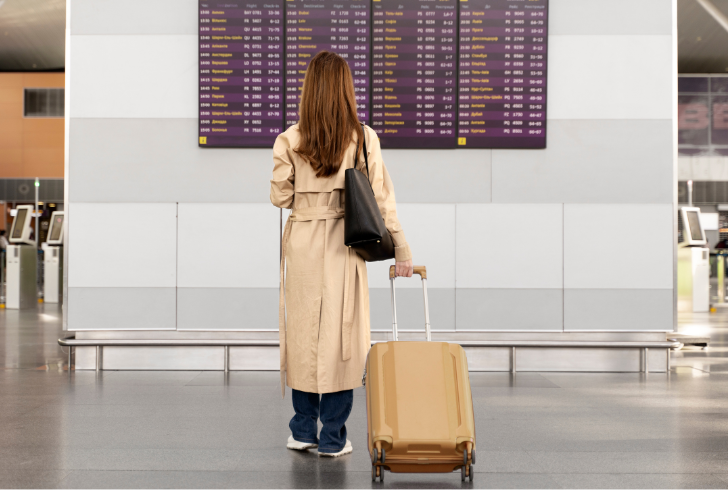
Freepik | Beyond simple escapism, traveling acts as a wellness hack to boost personal strength.
“Sometimes people mistake travel as just an escape from reality, which it can be in extremes, but in many cases, travel is absolutely a wellness hack that improves resilience,” says Dr. Sam Zand, Psychiatrist, DO. Experts agree that exposure to unfamiliar settings pushes the brain out of rigid patterns.
According to psychologists, leaving familiar surroundings interrupts mental loops linked to stress and anxiety. Dr. Zand explains that novel environments reduce rumination because the brain no longer receives the same cues tied to old worries. Even short trips can help reset emotional responses and restore a sense of control.
A Stronger Sense of Purpose and Agency
“Travel makes you more resilient because it pulls you out of the little story you live in every day and drops you into a much bigger one,” says Alison McKleroy, LMFT, psychotherapist at Wild Path Therapy and author of Essential Strategies for Social Anxiety.
This shift in context helps loosen fixed thinking. When daily routines fall away, the nervous system recalibrates. As a result, perspective widens and emotional processing becomes more flexible. Clinically, Dr. Zand notes that anxiety often softens during travel, while clarity and meaning increase.
Key emotional benefits include a more flexible mindset, smoother emotional processing, and a refreshed sense of personal direction.
Quick Thinking Becomes Second Nature
Travel demands adaptability. Flights change, directions get confusing, and plans shift without warning. McKleroy explains that travel calls for spontaneity, curiosity, and presence—skills that remain underused in predictable routines.
From a neurological standpoint, this matters. Dr. Zand points out that unfamiliar experiences push the brain from efficiency mode into learning mode. This shift increases dopamine and acetylcholine, chemicals tied to motivation, curiosity, and memory.
Over time, these responses strengthen problem-solving skills and mental agility.
Learning to Trust Personal Judgment
“A deeper part of you wakes up when you’re traveling,” McKleroy says. “It’s the part that knows how to improvise and trust in your own ability to respond to what’s unfolding in front of you.”
Many people report feeling more alert and alive while traveling. Dr. Zand attributes this to neuroplasticity, the brain’s ability to form new neural connections. Unfamiliar sounds, social cues, and environments force adaptation. Because of this, confidence grows through direct experience rather than habit.
Mental and Emotional Reset Through Nature
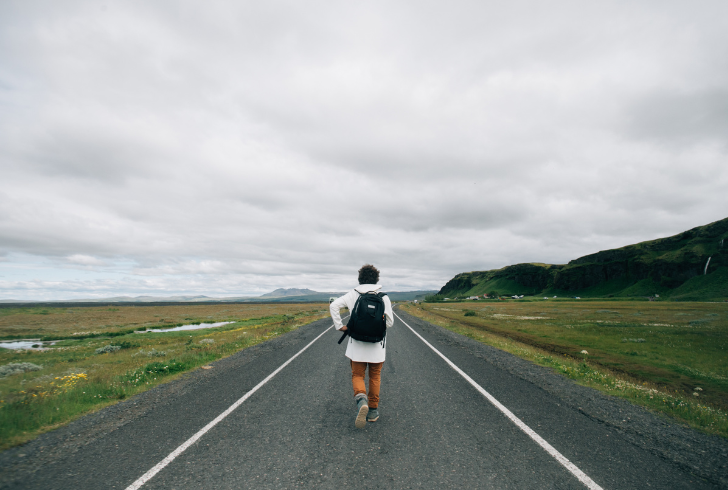
Freepik | Nature travel calms the nervous system to boost creativity and emotional health.
Nature-focused travel has a distinct effect on emotional health. Dr. Zand explains that environments rich in greenery, water, and natural rhythms calm the stress response and activate the parasympathetic nervous system. This state supports insight, creativity, and emotional integration.
When travel prioritizes presence over constant activity, it offers space for reflection. Families, couples, and solo travelers often experience improved mood and clearer thinking after time spent outdoors.
New Places Create Room for Change
“As a psychiatrist, I view travel not as a luxury but as a neurobiological intervention,” says Melanie Williams, LCSW, psychotherapist and author. According to Williams, new surroundings create new mental patterns, which then allow behavioral change to take root.
Whether the goal is healing, clarity, or personal growth, travel gives the brain permission to adapt. Over time, this adaptability carries back into daily life, improving resilience long after the trip ends.
Travel strengthens emotional resilience by encouraging flexibility, curiosity, and self-reliance. Exposure to new environments reshapes thought patterns, reduces stress loops, and builds trust in personal decision-making.
According to mental health experts, these changes support lasting emotional balance and mental strength, making travel a practical tool for well-being rather than a simple change of scenery.