
Basil seeds are quietly gaining attention in the wellness space, and for good reason. Often overlooked in favor of chia or flax seeds, these tiny black seeds offer a surprising blend of nutrition and functionality. Once soaked, they expand and develop a soft, gel-like texture, a texture valued in traditional remedies for generations.
Today, they are finding a place in modern diets for their role in digestion, metabolism, and overall nutrient intake.
A Compact Source of Essential Nutrients
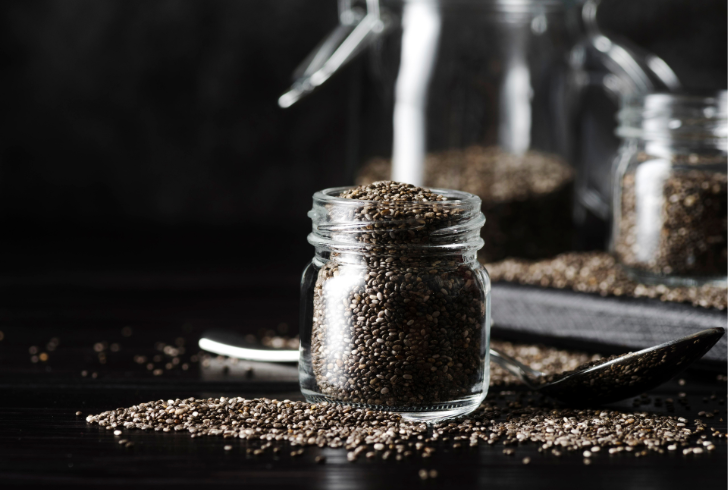
Freepik | Tiny but mighty, basil seeds are packed with essential fiber, protein, healthy fats, and minerals.
Basil seeds may be small, but their nutritional profile stands out. They contain a mix of fiber, plant-based protein, omega-3 fatty acids, and antioxidants. Along with that, they supply key minerals such as calcium, magnesium, and iron, all of which support daily body functions.
The high fiber content plays a direct role in digestive health. It helps maintain regular bowel movements and supports gut balance. At the same time, omega-3 fatty acids contribute to heart health, while antioxidants assist in managing oxidative stress, which can impact long-term wellness.
Support for a Smoother Digestive Process
One of the most notable qualities of basil seeds is their ability to absorb water and form a gel. Once soaked, they swell and create a soft coating that can help calm the lining of the digestive tract. This texture is not just unique—it serves a purpose.
By adding bulk to stool, the fiber content helps regulate digestion and reduce discomfort linked to irregular bowel movements. This makes basil seeds a simple addition for those looking to support gut health without complicated changes.
A Natural Way to Support Metabolism
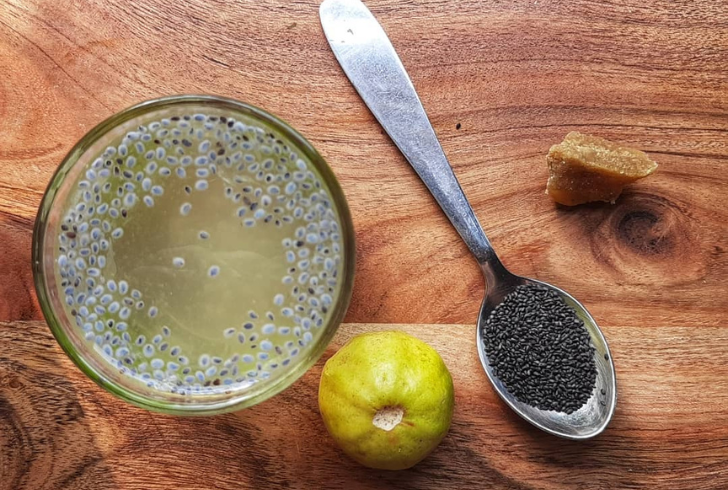
Instagram | @akshathanayak | Basil seeds boost metabolism and curb hunger through high fiber.
Basil seeds can also play a role in maintaining a balanced metabolism. Their fiber content promotes a feeling of fullness, which may help manage hunger between meals. Since they are low in calories, they fit easily into calorie-conscious eating plans.
In addition, the nutrients present in these seeds assist in energy production. This supports daily activity levels without relying on processed or high-sugar options. Over time, consistent intake may help maintain steady energy and better eating patterns.
Ways to Include Basil Seeds in Your Diet
Including basil seeds in everyday food is easy and does not require major changes. Once soaked, they blend well into a variety of dishes while adding a subtle texture.
They can be mixed into smoothies or stirred into yogurt for added nutrition. They also work well as a topping for salads or desserts. Soaking them before use improves both texture and digestibility, making them more pleasant to consume.
Basil seeds offer a practical way to support digestion, maintain energy levels, and increase nutrient intake without adding complexity to a routine. Their long-standing use in traditional practices aligns well with current wellness goals.
With regular use and simple preparation, these seeds can fit naturally into a balanced diet while delivering consistent benefits.