
Weekly grocery shopping often feels repetitive and expensive. However, a simple structure now helps shoppers save money while supporting better nutrition. The 5-4-3-2-1 food hack has gained serious attention because it brings clarity to crowded aisles and limits impulse buys. More importantly, it encourages balanced eating without rigid rules. As a result, many households report lower bills and better meals without added stress.
This method uses a clear countdown to guide every grocery trip. Instead of wandering, shoppers focus on five food categories. Because the approach stays visual and flexible, it feels easy to follow week after week.
The structure looks like this: Five vegetables, Four fruits, Three protein sources, Two grains or carbs, One sweet treat
According to registered nutritionist and bestselling author Rhiannon Lambert, the method succeeds because it adds direction without restriction. She explains that the system highlights what to include rather than what to remove, which supports long-term consistency. At the same time, it allows enjoyment, thanks to the single treat.
Why This Method Helps
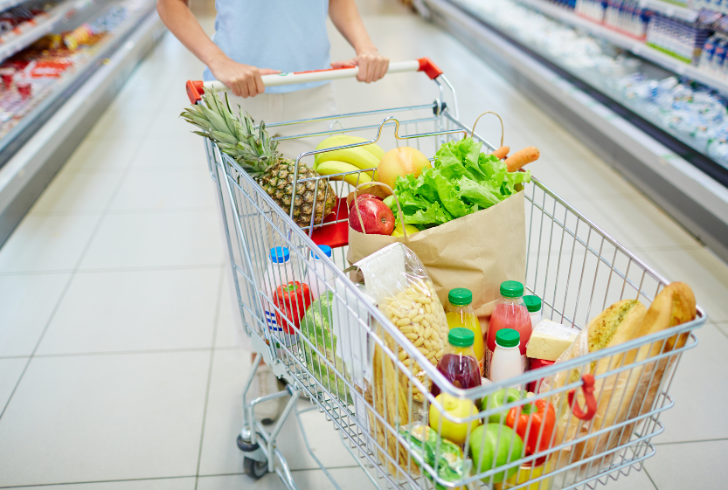
Freepik | The 5-4-3-2-1 food hack turns grocery shopping into a simple, balanced system that saves money and supports better eating without stress.
Budget control improves when decisions happen before entering the store. With this plan, shoppers know exactly how many items are available in each category. Consequently, random snacks and costly extras stay off the list.
Also, variety replaces volume. Rather than buying excess quantities, shoppers choose a diverse selection of ingredients that stretch across multiple meals. Frozen and canned options further reduce costs while extending shelf life. Because staples already exist at home, spending stays predictable.
How to Build Nutrient Density With Smart Choices
Five Vegetables That Work Harder
Vegetables deliver fiber, vitamins, and plant compounds. Selecting a mix of colors and textures increases benefits across the week. Helpful options include:
1. Leafy greens such as spinach or kale
2. Cruciferous choices like broccoli or cabbage
3. Root vegetables, including carrots or sweet potatoes
4. Flavor builders such as onions, garlic, or leeks
5. Frozen or canned vegetables for speed and savings
Four Fruits That Balance Cost and Variety
Fruit choices should mix freshness with longevity. This balance reduces waste while supporting gut diversity. Strong picks include:
1. Berries, fresh or frozen
2. Citrus fruits like oranges or grapefruit
3. Apples or pears for longer storage
4. One unfamiliar fruit to keep meals interesting
Three Proteins That Cover More Nutrients
Protein variety supports muscle repair, energy, and overall health. Including both animal and plant options adds valuable micronutrients and fiber. Consider combinations such as:
1. Eggs or oily fish
2. Beans, lentils, or chickpeas
3. Tofu, yogurt, lean meat, or tempeh
Two Grains or Carbs That Fuel the Day
Whole grains stabilize energy and improve fullness. They also contribute important fibers that benefit digestion. Reliable choices include:
1. Oats, brown rice, or whole-wheat pasta
2. Sourdough, rye bread, or quinoa
One Sweet Treat That Supports Balance
Allowing one enjoyable treat strengthens a healthy relationship with food. Dark chocolate or a small dessert fits well here. Because satisfaction matters, this element keeps the plan realistic and sustainable.
How This Method Supports Gut Health
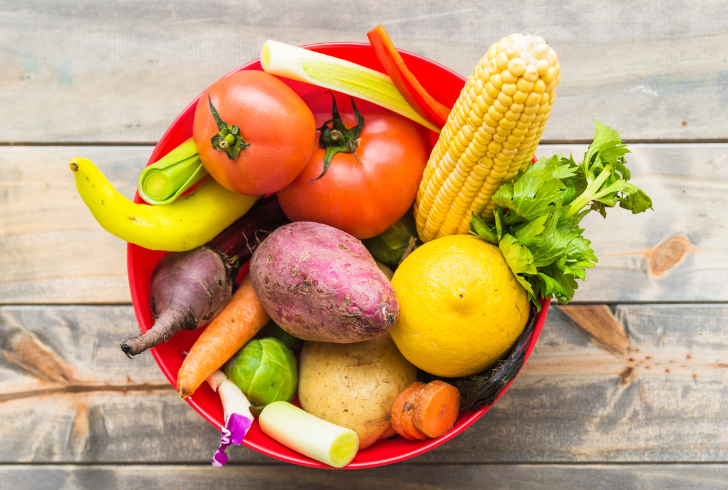
Freepik | This simple food mix feeds your gut with many plant fibers and helps you stay healthy without spending more.
Gut health improves when diets include a variety of fiber and plant compounds. Each food group contributes different benefits. Vegetables and fruits deliver prebiotic fibers. Whole grains slow digestion. Legumes feed beneficial bacteria. Even herbs, spices, and pantry items increase diversity.
Lambert emphasizes that small additions matter. Ingredients already stored at home often push weekly plant counts higher without extra spending. Therefore, the method encourages smarter use of existing foods rather than constant buying.
Can One Grocery Trip Cover Five Days of Meals?
Yes, this approach often covers most weekly meals. Simple planning allows ingredients to overlap across dishes. For example, roasted vegetables can serve as lunches and dinners. Beans can stretch across salads and soups. Grains can anchor breakfasts and sides.
However, staples like oils, herbs, and sauces still play a role. These items support flavor and variety without raising costs. When combined with the 5-4-3-2-1 structure, meal planning becomes easier and faster.
Consistency drives results. This method removes guesswork while staying flexible. Shoppers adapt it to preferences, schedules, and seasons. Because it focuses on inclusion rather than limits, motivation stays high.
The 5-4-3-2-1 food hack simplifies grocery trips while supporting nutrition and gut health. It cuts costs through structure, yet it keeps meals enjoyable through variety. Over time, small choices stack up. As a result, shopping feels calmer, meals feel balanced, and health goals feel reachable.