
Cat ownership brings comfort and companionship, yet litter box odor can quickly take over a room. While it’s true that cat litter will never smell pleasant, strong odors should never dominate a home. With consistent habits and a few practical adjustments, litter box smell can stay controlled and manageable.
This guide covers effective methods that reduce odor at the source, improve air quality, and protect the litter box itself from lingering buildup.
1. Start with Baking Soda
Baking soda remains one of the most reliable odor absorbers available. When placed at the bottom of the litter box before adding fresh litter, it helps neutralize ammonia smells from cat urine and extends the freshness of the litter.
Sprinkling baking soda underneath the litter creates a barrier that absorbs moisture and odor before it spreads. Mixing it directly into the litter is not recommended, as it may irritate sensitive paws and increase the chance of tracking fine powder around the house.
Regular litter replacement remains essential, even when baking soda is used.
2. Replace Litter Every 7 to 10 Days
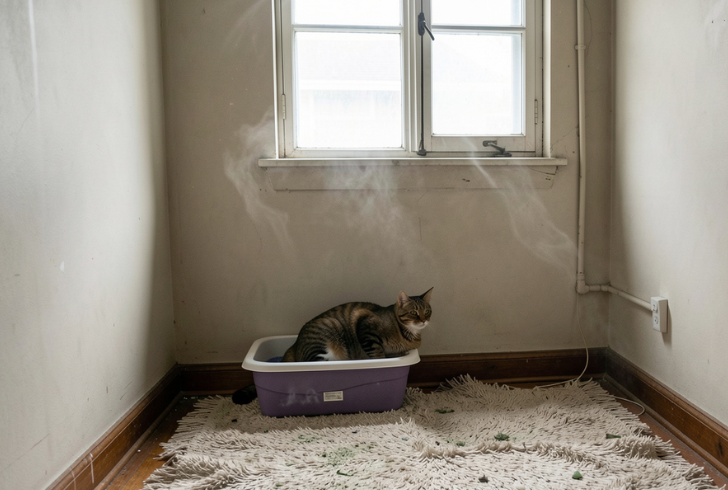
Freepik AI | Litter box smells grow when waste sits too long and fresh air cannot move through the space.
Strong odor usually signals delayed litter changes. Even scoopable litter leaves behind microscopic residue that continues to smell over time. Replacing all litter every 7 to 10 days keeps odor from building beyond control.
Cats are highly sensitive to cleanliness. When a litter box becomes unpleasant, behavioral changes can occur. Some cats avoid dirty boxes entirely, which can create additional household issues. Consistent replacement supports both hygiene and feline well-being.
Single-use litter often controls odor better than scoopable varieties, provided it is replaced on schedule.
3. Choose a Well-Ventilated Location
Placement affects odor more than many realize. A litter box placed in a small, enclosed space traps smell and concentrates it. Poor airflow intensifies ammonia odor, especially in humid environments.
A well-ventilated area allows air to circulate and prevents stale buildup. Bedrooms should be avoided whenever possible. In studio apartments or small homes where options are limited, opening windows periodically and running fans improves airflow and reduces odor retention.
4. Use Litter Box Liners
Litter box liners prevent urine and waste from touching the plastic surface of the box. Over time, untreated boxes absorb odor even when empty. That lingering smell often comes from residue embedded in the base.
A liner creates a protective barrier beneath the litter. When it’s time to change the litter, removing the liner eliminates trapped waste and reduces the need for aggressive scrubbing. Without direct exposure, the box remains cleaner and less prone to long-term odor buildup.
Even after dumping litter, a box can still smell if residue remains on the surface. Liners reduce this problem significantly.
5. Add a Litter Mat
Cats instinctively bury their waste. In the wild, this behavior hides their scent from predators. Indoors, that same instinct spreads litter outside the box.
Loose litter often contains urine particles and waste dust. When tracked across floors, it contributes to odor beyond the litter area. A litter mat placed directly outside the box captures granules from paws before they scatter.
This simple step improves cleanliness and reduces odor spread throughout the home.
6. Run a HEPA Air Purifier
Air purifiers offer noticeable relief in homes with cats. A purifier equipped with a HEPA filter captures airborne particles, including odor molecules and dust from litter.
Placing the purifier close to the litter box helps remove ammonia smell before it spreads into surrounding rooms. In homes with multiple litter boxes, positioning one purifier between them or using separate units ensures balanced air cleaning.
This approach benefits households where odor lingers despite consistent cleaning.
7. Deep Clean the Box Monthly
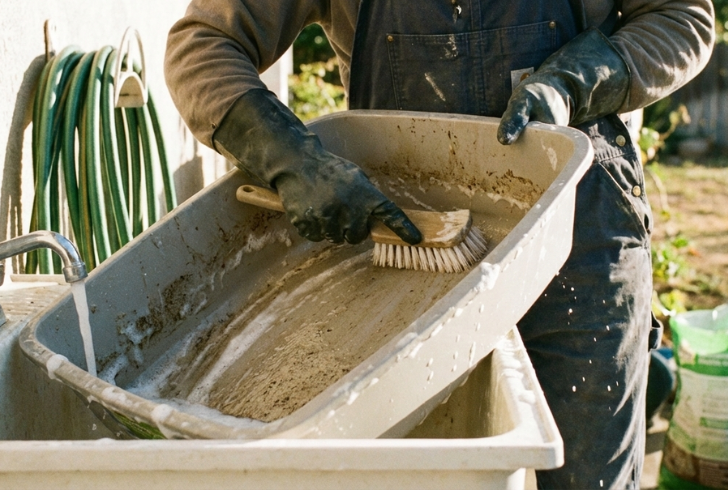
Gemini AI | Deep clean the litter box every month to remove hidden grime and stop bad smells before they start.
Without liners, deep cleaning becomes necessary. Even when litter appears dry, urine residue often remains on the base of the box. That residue creates persistent odor.
Once per month, empty the litter box completely and scrub it using warm water and mild dish soap. Rinse thoroughly to remove all soap traces, then allow it to dry fully, preferably in sunlight.
White vinegar can also break down stubborn stains due to its acetic acid content. However, complete rinsing is essential, as leftover vinegar may irritate a cat’s sensitive nose and paws.
Monthly cleaning prevents long-term odor buildup and extends the life of the litter box.
Scented vs. Unscented Cat Litter
Scented litter may seem like an easy fix, yet it often creates more problems than it solves. Artificial fragrances can irritate a cat’s paws, eyes, and respiratory system.
Cats react strongly to environmental discomfort. Even mild irritation can alter behavior and reduce litter box usage. Unscented litter combined with baking soda offers effective odor control without risking irritation.
Prioritizing feline comfort helps maintain consistent litter habits and reduces household stress.
Litter box odor does not have to dominate a home. With proper placement, consistent litter replacement, protective liners, and improved airflow, strong smells stay contained. Baking soda absorbs lingering odor, mats limit spread, and monthly deep cleaning prevents buildup at the source.
Cats thrive in clean environments, and homes stay fresher when litter care remains a priority. Small adjustments create noticeable results and ensure that comfort, not odor, defines the living space.