
Beer may be great for barbecues, but when it comes to lawns, experts say it’s better left in the fridge. The idea that beer can act as a natural fertilizer has gained traction online for years, promising greener grass and healthier soil.
However, while this DIY trend sounds tempting, it delivers more harm than help. Many homeowners pour out a bottle, thinking they’re feeding their lawn essential nutrients, but the science tells a different story.
The myth stems from beer’s ingredients, phosphorus, potassium, magnesium, and calcium, all nutrients plants typically need. While that sounds beneficial, the actual quantities in beer are far too low to make any difference. What’s worse, the other elements in beer, such as alcohol and sugar, can disrupt soil balance and weaken your lawn’s natural resilience.
The Hidden Dangers of Using Beer on Grass
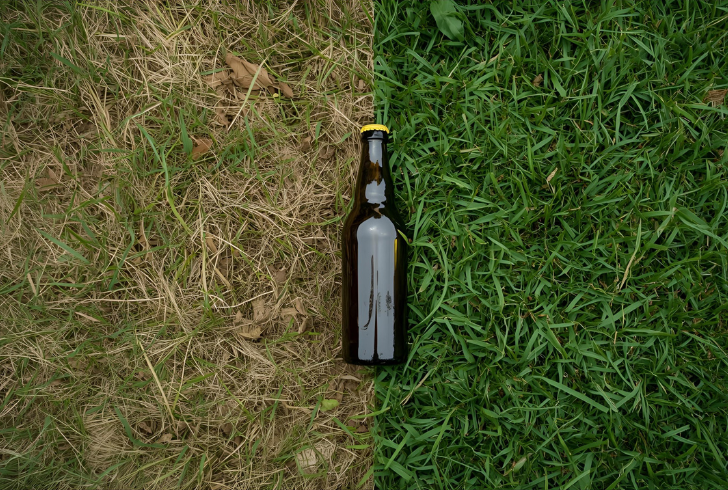
Canva AI | Beer's alcohol and sugar harm grass by dehydrating the soil and attracting pests.
At first glance, beer seems like a harmless natural choice. Yet its two main components, alcohol and sugar, are anything but friendly to your grass.
Alcohol is a dehydrating agent, and even small amounts can disrupt the microbial life that keeps soil fertile. When soil microbes die off, grass struggles to absorb nutrients, leading to thin and patchy growth. Beer’s high sugar content only worsens the problem by drawing pests and insects that thrive on sweet residue. This can lead to infestations, fungus growth, and in some cases, soil rot.
Additionally, that fizzy carbon dioxide that many believe boosts photosynthesis does nothing substantial. Your lawn already receives all the carbon dioxide it needs from the air. So instead of enhancing growth, beer simply adds unnecessary sugar and alcohol that your soil doesn’t need.
Smarter Ways to Keep Your Lawn Green
Instead of experimenting with beer, homeowners will see far better results by sticking to proven lawn care practices. Commercial fertilizers—whether organic or synthetic—are carefully formulated with the right mix of nutrients to strengthen roots and promote healthy, green blades. Each bag clearly lists its nutrient content, making it easier to apply the correct balance.

Freepik | For a healthy lawn, rely on tested fertilizers rather than beer.
Natural alternatives like compost are also effective:
- Composted cow manure – improves soil texture and adds nitrogen.
- Grass clippings – return essential nutrients after mowing.
- Homemade compost – builds rich organic matter, retains moisture, and nurtures soil microbes.
These practices nourish the lawn while fostering a sustainable soil ecosystem.
Building a Healthier Lawn the Right Way
Regular care outweighs shortcuts. Watering correctly, mowing at the right height, and seasonal aeration promote a lush lawn more than any unconventional trick. Fertilizing according to your grass type and local climate ensures deep roots and lasting strength.
With the right approach, anyone can maintain a lawn that thrives through every season. Beer may belong at barbecues, but for lawn care, tested, science-backed methods are the way to go.